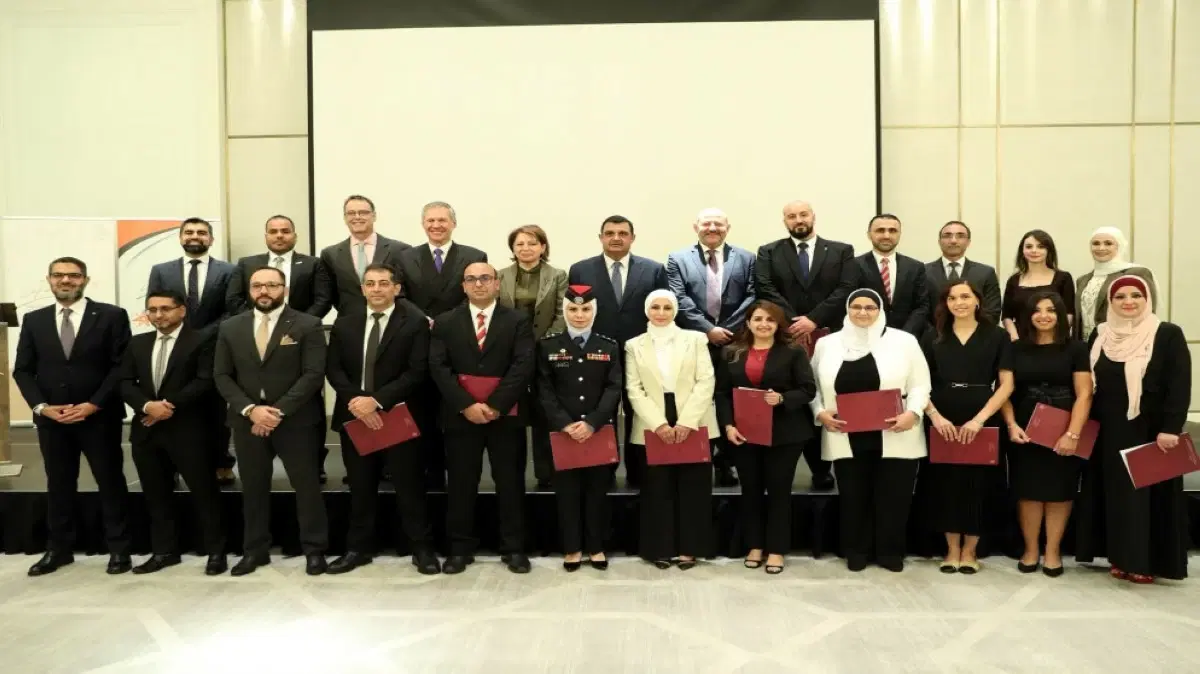
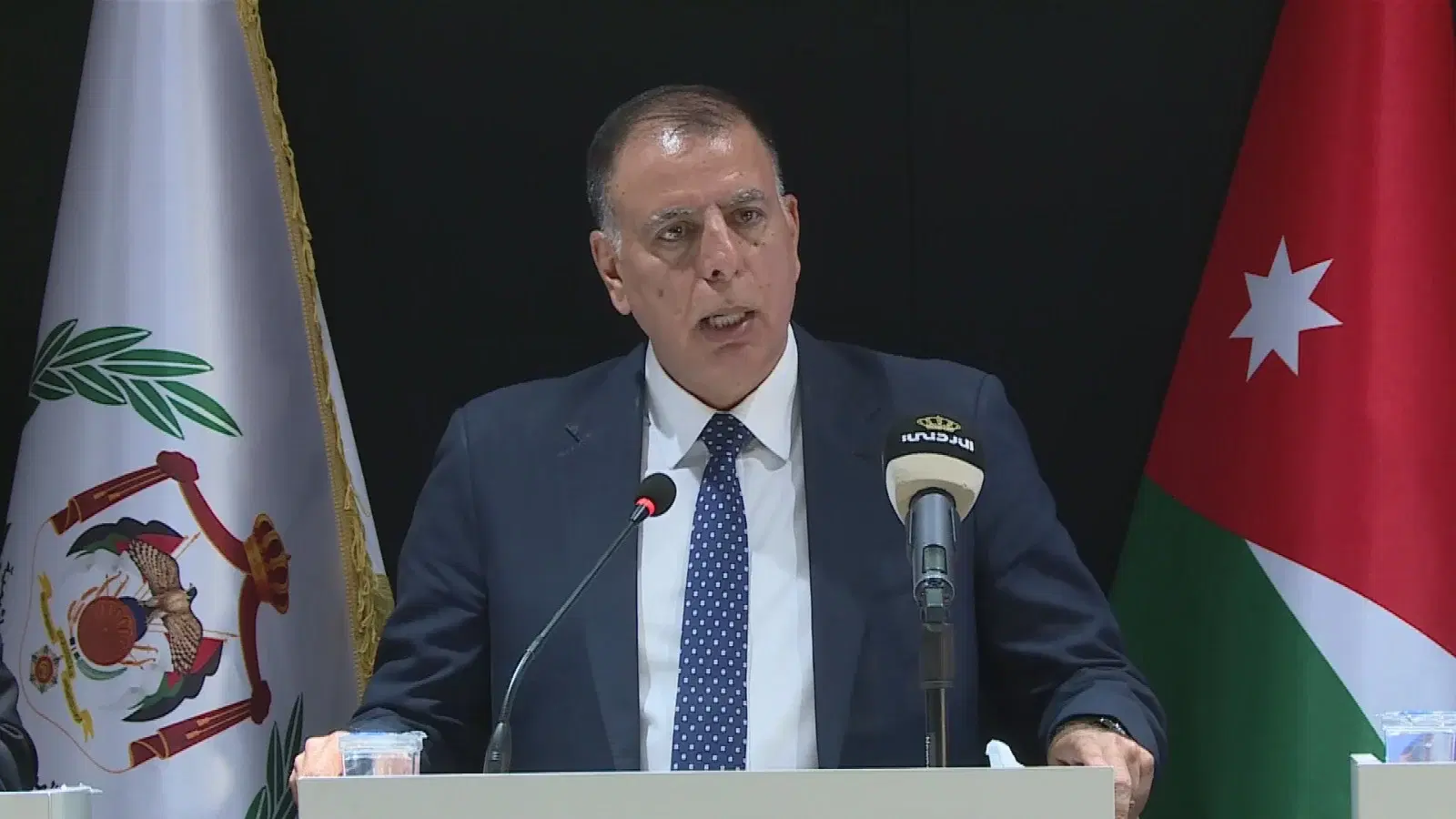
Al-Balbisi said in a speech that "the objectives of the Civil Service Development Project intersect with what we strive for in modernizing the public sector, adding that investing in human resources, developing leadership skills, and improving performance are not separate goals from modernizing the government, but they are conditions for its success.
She stressed the importance of the project in administrative modernization, especially as the second executive program for modernizing the public sector is witnessing a stage in which we are moving from building frameworks and systems to achieving a tangible impact on government performance and the lives of citizens.
Al-Balbisi pointed out that this impact is not made by legislation, systems, and technology alone, but is made by the employee who possesses competence and initiative, in addition to the leader who does not limit himself to managing work, but knows how to lead his team during change.
She confirmed that government leadership, in a world witnessing rapid changes, is no longer linked to the job position alone, but requires leaders capable of thinking and analysis, policy-making and influence, negotiation, leading high-performance teams, and understanding the potential offered by technology and artificial intelligence.
For his part, Al-Khuraisheh pointed out that the Civil Service Development Project was developed to be in line with the roadmap for modernizing the public sector, through investing in human competencies and empowering public sector employees with the necessary skills and knowledge to perform their roles efficiently and effectively, considering the development of national capabilities as one of the basic pillars for the success of modernization tracks.
The project participants went through three training stages, two of which were implemented inside Jordan, and the third stage was held at the Sandhurst Military Academy in the United Kingdom, within a training model that combines theoretical and practical aspects, including leadership and subordinate skills, negotiation skills, problem-solving, influence and decision-making, in addition to training on employing artificial intelligence tools in leadership and formulating public policies, and conducting a field study at the Academy, which contributes to developing leadership skills, enhancing the ability to work within high-performance teams, and raising the readiness of participants to deal with contemporary leadership challenges.
The statement explained that the Civil Service Development Project, implemented in partnership with the British Inspirational Group (IG), aims to enhance modern leadership and management skills among public sector employees, which contributes to raising institutional performance efficiency and supporting efforts to modernize the public sector.
It pointed out that since the launch of the project in 2010, more than 300 male and female employees have benefited from it, and more than 150 of them have reached leadership positions, reflecting the impact of the project in developing national competencies and enhancing their readiness to assume leadership roles and contribute to developing institutional performance.