Sixth Tall Hisban Conference Combines Depth of Antiquities and Strategic Planning Visions for Regional Development
Tall Hisban Conference: An Archaeological Reading by Wehib and a Strategic Vision Presented by Al-Hammouri for Crafting the National Narrative
Amman4 min read
Share
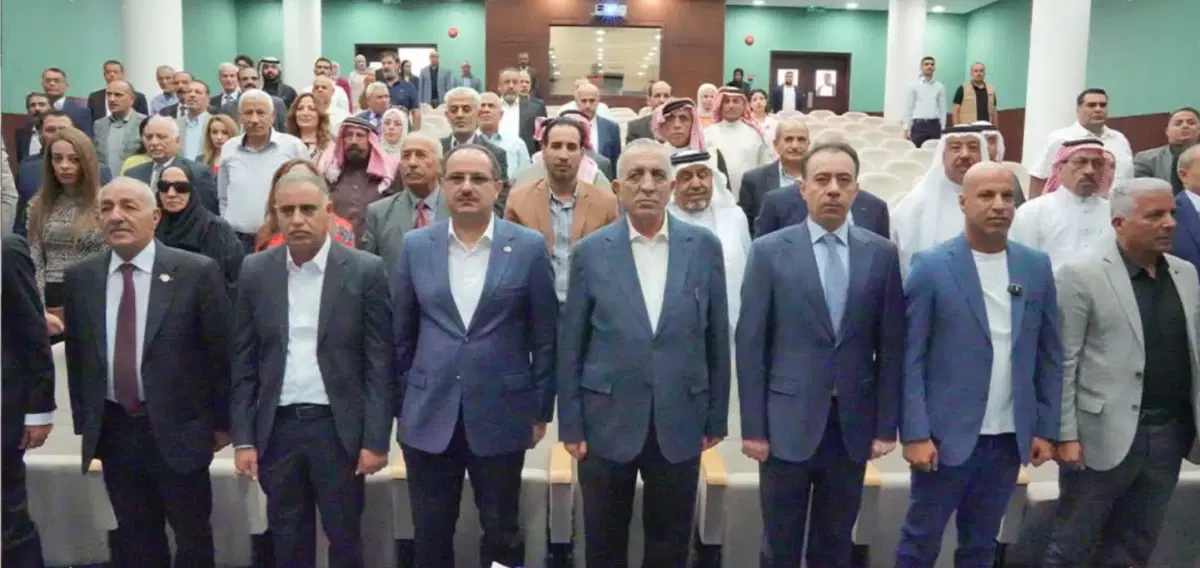
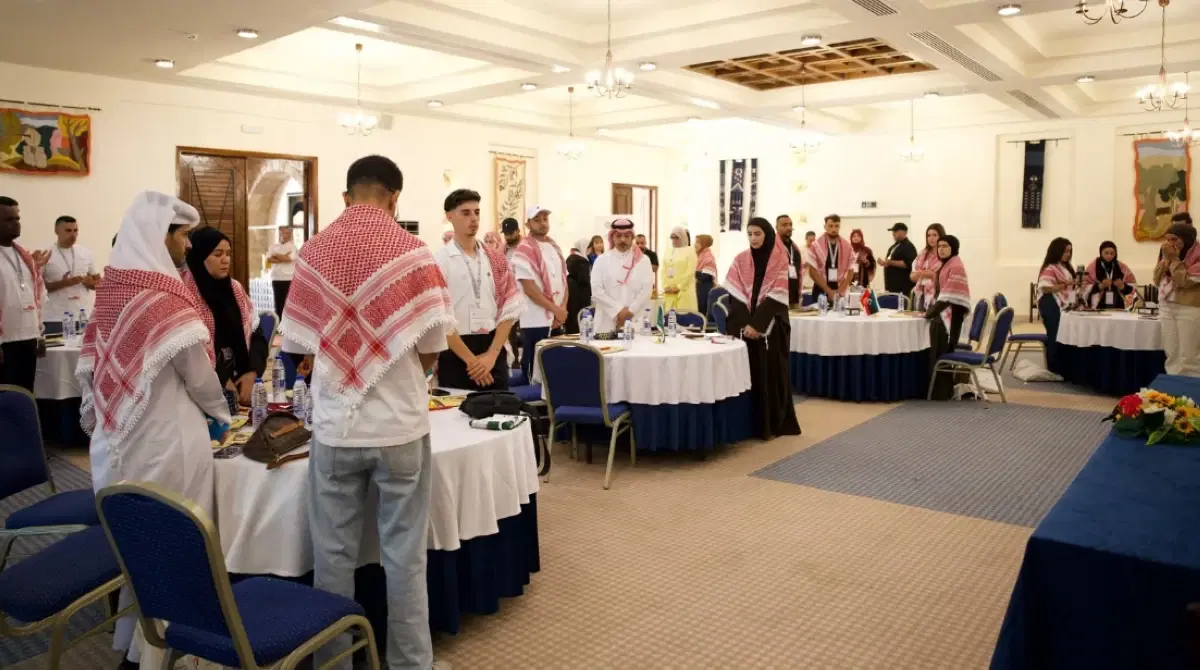
The Minister of Culture, Mustafa Al-Ruwaishdeh, sponsored the activities of the "Sixth Tall Hisban Culture and Heritage Conference",
"Civilizational Heritage Towards Future Horizons" organized by the Tall Hisban Association and hosted by the German Jordanian University in Madaba, under the title, and in the presence of the University President, Dr. Alaa Al-Halhouli, the Naour District Commissioner, Shadi Al-Bakhit, and a number of notables, academics, and locals from the region.
During the conference, Al-Ruwaishdeh announced the implementation of practical steps to support the cultural movement in the region, including the establishment of a museum of popular life and a public library in the Naour District, and the launch of an annual cultural festival in cooperation with relevant national bodies and institutions in the district, emphasizing that documenting Jordanian history and heritage represents the essence of national identity and community memory.
For his part, the President of the Association, Mr. Mansour Al-Shihan, welcomed the participants, explaining the exceptional value of the Tall Hisban cultural, historical, and tourist heritage, and reviewing the achievements made and future plans in cooperation with partners.
In an extensive paper on the universality of historical and archaeological narratives, the Professor of Archaeology from Al-Hashemite University, Dr. Muhammad Wehib, presented archaeological evidence proving the universality of the Tall Hisban heritage, explaining that recent discoveries confirm that Tall Hisban is the cultural starting point for the Madaba Governorate.
Dr. Wehib explained the exceptional importance of the site, which witnessed the passage of a network of the most important historical and commercial roads in the world, including the Silk Road, the Incense Road, the Syrian Hajj Road, and the Christian Hajj Road coming from Jerusalem, in addition to the routes of the Companions, may God be pleased with them. He pointed to the prominent historical milestone represented by the passage of the Prophet Muhammad's (peace be upon him) caravan through Tall Hisban as part of the "Eilaf Caravan".
On the intellectual and scientific level, Dr. Wehib revealed the cultural role of the region's people, documenting the travels of more than 33 Hisban scholars in Arab countries, where they enriched the intellectual scene in the fields of science, jurisprudence, and interpretation.
For his part, the Professor of Strategic Planning, Dr. Abdul Nasser Al-Hammouri, presented an integrated paper on tourism development strategies and future prospects in planning and collective work, emphasizing the paramount importance of strategic planning in shaping and documenting the Jordanian narrative and highlighting this cultural heritage that spans more than eight thousand years.
Dr. Al-Hammouri explained that the land of Jordan, rich in archaeological and heritage sites, requires strategic management and good investment to preserve the national identity, strengthen the economic structure, and face current economic challenges.
He reviewed a set of developmental axes to boost tourism movement in Tall Hisban, based on making the most of diverse tourism resources, investing in the human element through the training and empowerment of local cadres, supporting women's empowerment, and creating promising job opportunities for young people.
Al-Hammouri also emphasized the authentic historical role of the Hashemites in establishing security and stability, indicating that this security is the basic pillar of the concept of "tourism security" in the Kingdom, which has been and remains a country of emigrants and supporters.
The conference witnessed extensive academic and technical participation from several prominent figures, where Dr. Badr Al-Ma'adi from the German University addressed the concept of "place and human" and the concept of building a school in Tall Hisban, reviewing the region's long history and its future prospects.
In a related context, Dr. Muhammad Nafi from the Ottawa Center for Training and Development addressed the role of small projects in developing the Hisban cultural heritage and tourism economics, emphasizing the importance of considering Tall Hisban as a major tourist stop and transit point. The researcher, student Faisal Hussein, also presented a vision on the importance of using modern technologies in documenting Tall Hisban's heritage, especially aerial photography and geographic information systems, and employing documentation for promotion, marketing, attracting investments, and financing projects.
The conference concluded its activities by formulating recommendations urging the immediate start of achieving achievements on the ground, enhancing cooperation and direct partnership with the Ministries of Culture and Tourism, accelerating cultural, scientific, and touristic publications, with a focus on boosting tourism economics and considering Tall Hisban as a major station on the national tourist map.