Queen Rania Award promotes a culture of excellence in the educational field
Distinguished teachers: We are an extension of our teachers
Amman6 min read
Share
The teacher's impact continues years after leaving school
"We are an extension of our teachers" is not just a phrase said on Teacher's Day, but a story that begins on the school desk, when a teacher leaves a word, a stance, or a value in a student's personality, and years later the student finds themselves in the position of a teacher, carrying the same message, and striving to pass on what they learned to a new generation.
A teacher's impact does not stop at the boundaries of the classroom, nor is it measured by the number of lessons they deliver, but rather by what they leave in a student's personality in terms of confidence, knowledge, and values, and what remains of their words and stances after years and faces change.
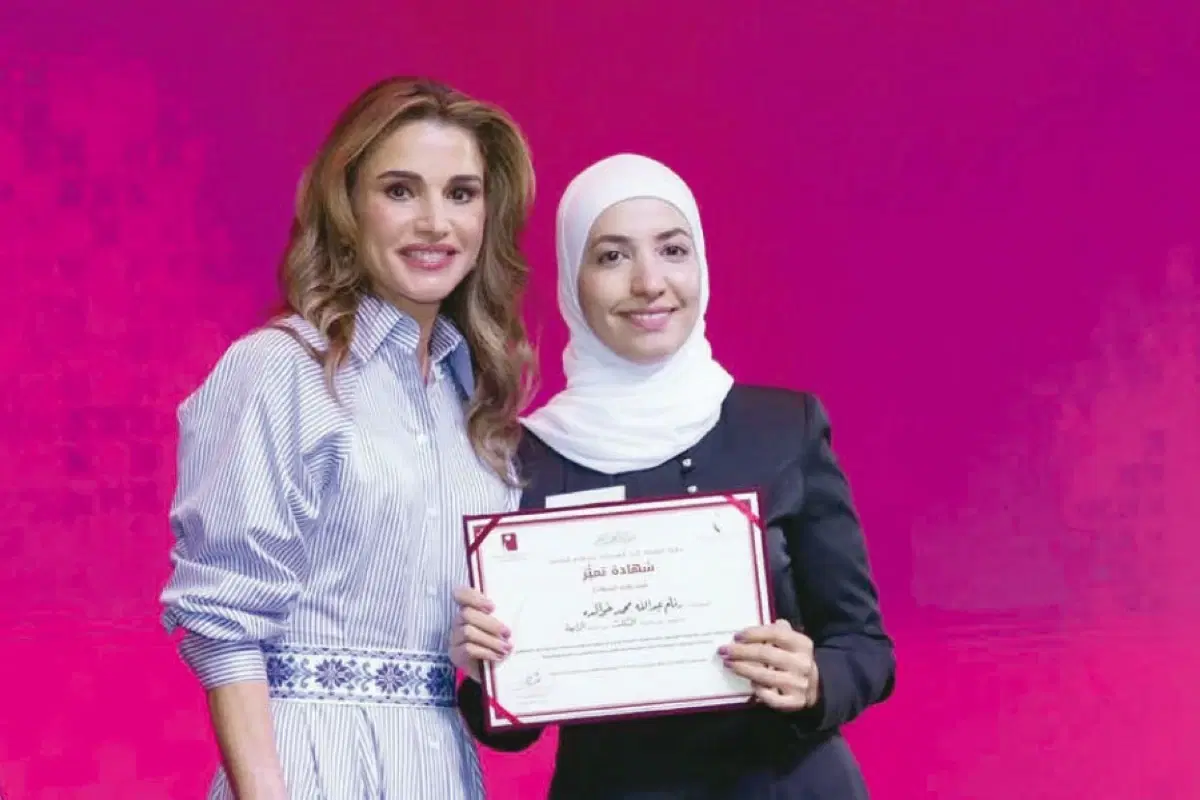
Hence comes the importance of the Queen Rania Award for Excellence in Education, which not only honors achievement, but also contributes to highlighting distinguished educational experiences and turning them into expertise from which teachers and students benefit, and promoting a culture of excellence in the educational field.
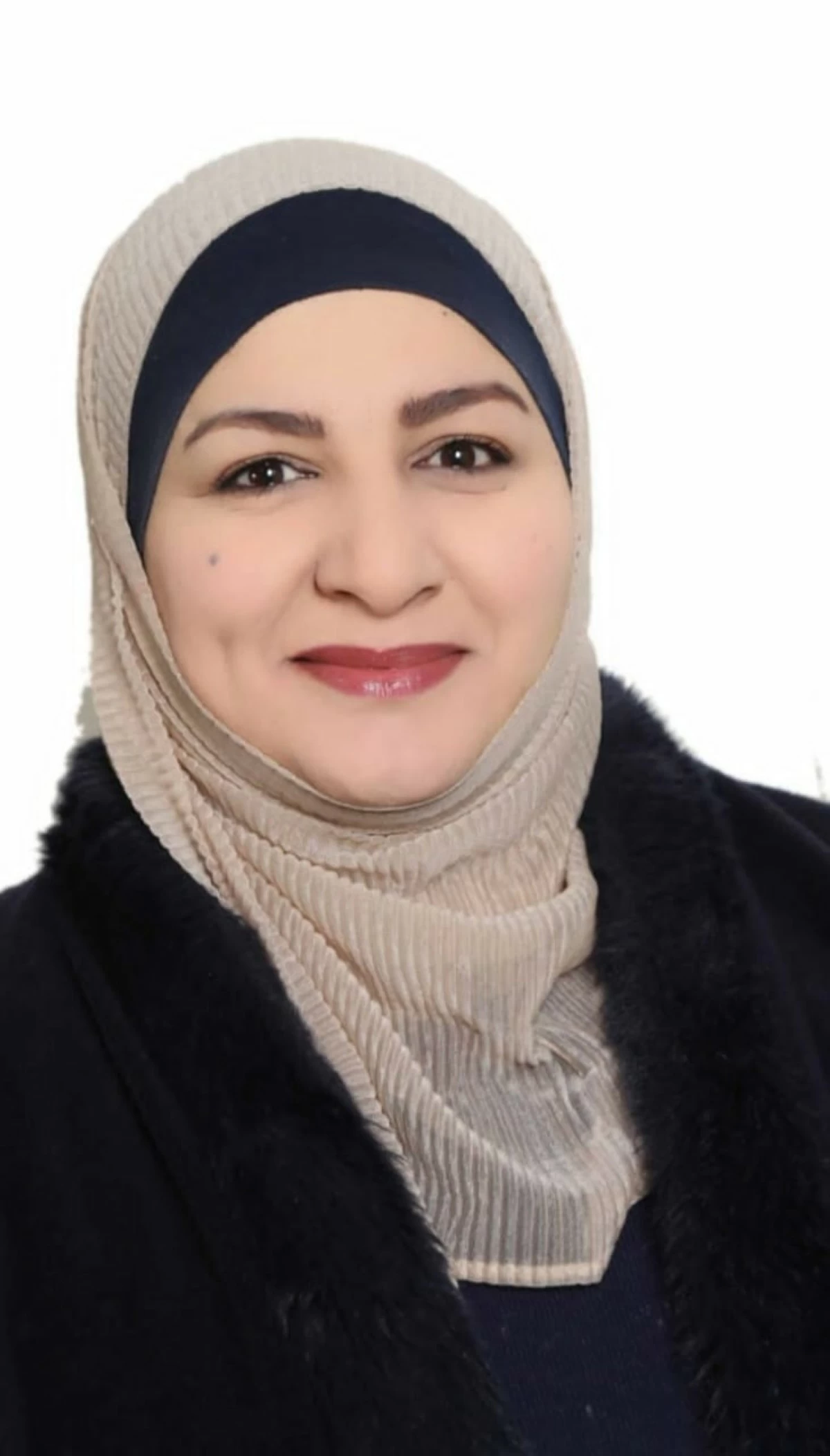
Distinguished teacher Ruqayya Jarawneh from King Abdullah II School for Excellence in Tafilah Governorate said that the best part of the teaching profession is that its beginning does not start when standing before students, but begins years before that, when the teacher sits on school desks and receives knowledge and upbringing at the hands of teachers who leave an impact that stays with them throughout their lives.
She added in an interview with "Alrai" that her experience began as a student influenced by her teachers, their stances, and their words, before finding herself years later in the same position, emphasizing that teaching for her is not just a profession, but a message, a responsibility, and an opportunity for the teacher to be someone who grants the student knowledge, confidence, and the motivation to keep going.
She explained that a student may not remember all the lessons, but remembers the moment when they felt their teacher believed in their ability, pointing out that a word of encouragement said at the right time may remain present in a student's life for years.
Jarawneh pointed out that the rapid transformations in education, changing student needs, and increasing teacher responsibilities have imposed challenges that pushed her to develop her tools and search for more effective methods, alongside turning ideas into initiatives, building partnerships with local community institutions, and connecting knowledge with life through learning by practice and application.
Despite having other career paths available to her, she chose to continue in the educational field, emphasizing that her presence among students, in the laboratory and the classroom, is where she finds herself, and that what brings her the most satisfaction is seeing information turn into experience, an idea into discovery, and knowledge into application.
Among her most prominent experiences is the organic fertilizer production project "Compost", which was linked to her winning the Queen Rania Award for Distinguished Teacher in 2016, explaining that the project turned waste into a useful resource and introduced students to environmental concepts through experimentation and work rather than receiving them theoretically.
She said that the award constituted an important milestone in her career, granting her a scholarship to study for a master's degree and the rank of "Expert Teacher", while its moral value remained the closest to her heart as recognition of the teacher's effort in the field.
She dwelt on the "Ambassador of Excellence" experience, considering it a responsibility to transfer expertise and experiences to the field, noting the attraction of the "My Most Beautiful Environment" project to King Abdullah II School for Excellence in Tafilah, before it turned into a partnership with the Ministry of Education, aimed at promoting the concept of the school environment as an educational space that contributes to building the student's personality and fostering responsibility, initiative, and belonging.
She emphasized that a teacher's continuous learning and development is an essential part of their mission, and that what she is most proud of is not an award or a title, but every student who felt capable, every idea that turned into an initiative, and every partnership that opened a new learning opportunity for students.
For her part, distinguished teacher Reham Al-Khawaldeh from Al-Qusour Secondary School for Girls in Marka District said that her presence today in the position of a teacher means being an extension of those who sowed passion, knowledge, and a love of science in her, and bearing a responsibility that goes beyond delivering a lesson to building the female students' personalities and supporting them in achieving their goals.
She added in an interview with "Alrai" that her experience began as a student who looked at her teachers with admiration and wished to leave the same impact, emphasizing that every lesson she delivers represents repayment of her teachers' kindness, and that every achievement she attains is a dedication to everyone who contributed to her education and to every female student for whom she was able to be a driving force towards science and excellence.
Al-Khawaldeh pointed out that the persistence of a teacher's impact after school years end represents one of the most sincere faces of educational success, recalling former female students returning to her after six or seven years to tell her about the studies, specialties, and jobs they had reached and to express their gratitude.
She emphasized that what remains in a student's memory is not just the curriculum and grades, but the human being behind them; the teacher who listens to their students, appreciates their feelings, and sees in them potentials they may not discover in themselves.
She indicated that among the most prominent challenges she faced were individual differences within the classroom and some female students' resistance to learning, emphasizing that patience, continuous learning, building human relationships, and searching for new teaching strategies helped her deal with them.
In the field of educational development, she noted that the digitization of education enhances self-learning and gives the student a greater role in managing, evaluating, and developing their learning, while the teacher's role increasingly shifts to that of a guide, facilitator, and supporter of the educational process.
Al-Khawaldeh addressed a message to her early teachers, saying: "Thank you for sowing without waiting for the harvest; you are the reason I am standing here today." She also addressed a message to male and female teachers emphasizing that they are not mere employees, but rather creators of hope, whose impact may not appear immediately, but remains present in the lives of the students whose personalities and futures they helped shape.
The experiences of Jarawneh and Al-Khawaldeh meet at a single truth: that a teacher's mission does not end with the end of the class or the academic year, and that what they sow today may show its impact years later, when the student transforms into a more confident and capable human being, and perhaps into a teacher carrying the same message to a new generation.