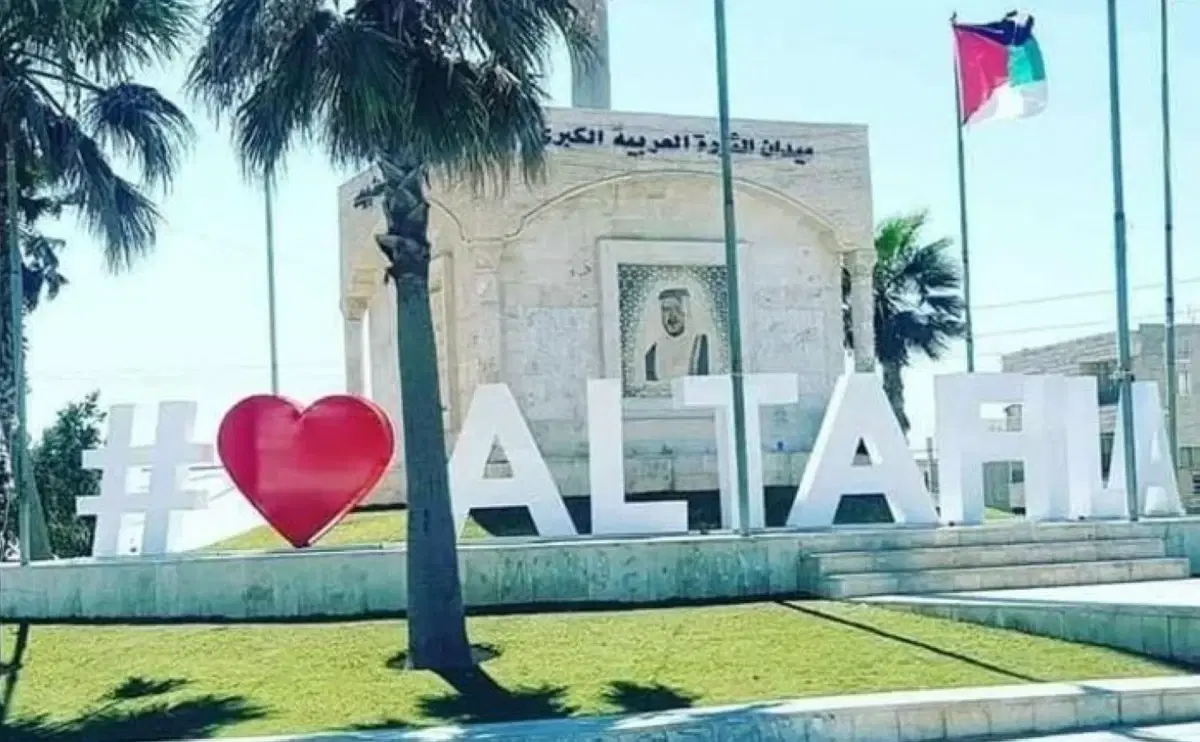
Developmental funding in Tafilah.. 4.5 million dinars stimulate projects and open doors for employment
Amman5 min read
Share
Tafilah Governorate is witnessing an increasing developmental momentum led by government funding programs and lending institutions, with the aim of supporting productive and entrepreneurial projects, empowering local communities, and stimulating the economy in the governorate. Efforts by relevant authorities are combining technical and lending support to facilitate access to funding windows, which enhances the reduction of poverty and unemployment and creates job opportunities for the governorate's residents.
Efforts from various lending channels are accumulating through lending packages and logistical and technical facilities that focus on exploiting the governorate's comparative advantages in the agricultural, service, light industry, and craft sectors.
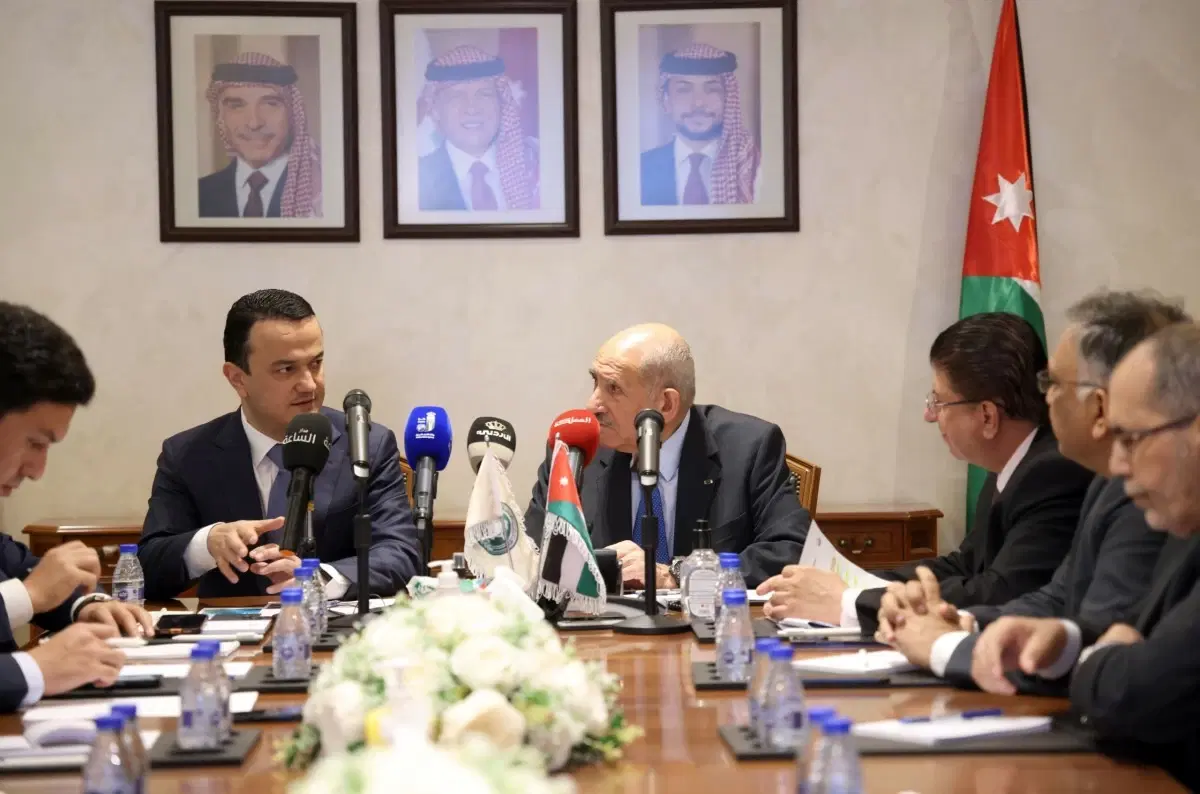
Tafilah Governor, Dr. Sultan Al-Madi, explained that the executive administration in the governorate is working in full coordination with all official institutions and service councils to create an environment attractive to investment and to simplify procedures for investors and owners of small and medium enterprises, noting that continuous directives focus on linking available funding to the most productive sectors with the capacity for internal employment.
Al-Madi added to "Al-Rai" that the governorate pays special attention to following up on funded development projects and providing the infrastructure and services necessary to ensure their continuity and growth, pointing out that the integration between official financial support and the field readiness of municipalities and specialized agencies constitutes a key guarantee for transforming entrepreneurial ideas into projects with a tangible impact on the ground.
For his part, the head of the Greater Tafilah Municipality Committee, Dr. Mohammad Al-Karimeen, stated that the municipal council prioritizes strengthening cooperation with funding and official entities to facilitate the licensing of productive projects and provide the necessary spaces and logistical services for their establishment within the municipality's scope, explaining that the municipality seeks to invest its assets and facilities in partnership with the private sector and local initiatives.
Al-Karimeen pointed out that the sustainability of investment projects in Tafilah requires the combined efforts of all pillars of the development process, confirming the municipality's keenness to overcome regulatory and administrative obstacles for borrowers and entrepreneurs, in a way that encourages the establishment of local investments capable of creating a positive transformation in the developmental and service landscape within the governorate's neighborhoods and regions.
The consultant at the Productivity Enhancement Center in Tafilah, Mohammad Al-Omareen, explained that the center provides free advisory and technical support to those wishing to establish or expand their projects by preparing comprehensive economic feasibility studies that investigate the requirements of the local market, noting that this role contributes directly to increasing the success rates of applications submitted to funding funds.
Al-Omareen pointed out that "Erada" services go beyond the project establishment phase to provide specialized administrative, financial, and training consultations during the operational stages, which helps project owners face field challenges, sustain production lines, and raise their competitive and lending capacity within the governorate's development map.
Hanan Al-Saudi, founder of a women's beauty salon in the governorate, said that obtaining facilitated official funding enabled her to establish her own project and equip it with the modern equipment and devices necessary to provide integrated services, confirming that funding support accompanied by procedural facilities represents a fundamental starting point for women and youth wishing to enter the freelance labor market.
Al-Saudi added that her project did not only provide an independent source of income for her and her family, but also contributed to creating additional job opportunities for young women from the region, noting that commitment to work requirements and continuous training ensures the success of individual initiatives and their transformation into promising attraction points in the local economy.
According to a source at the Development and Employment Fund, the volume of financial funding for investment and productive projects funded by the Development and Employment Fund in Tafilah during the past year reached about one million dinars, covering various lending programs that reached different societal segments. The 100 economic projects implemented provided about 250 job opportunities, as these self-employment and productive projects included various investment sectors, including those funded by the micro-project financing program "Islamic Murabaha," entrepreneurial, and benevolent loans.
The source indicated that many of these projects won the King Abdullah Award for Entrepreneurial Freelance Work for their excellence in creating economically viable projects that employ the unemployed, confirming the Fund's role in holding specialized training courses and providing a package of entrepreneurial funding programs reaching a ceiling of 75,000 dinars, in addition to lending to charities, productive families, and university students to enable target groups to engage in work and production.
For his part, the Director General of the Agricultural Credit Corporation, Engineer Mohammad Al-Doujan, affirmed the Corporation's keenness to develop its services and enhance its role in supporting the agricultural sector, pointing to the launch of a modern computer system that paves the way for comprehensive electronic services within the Economic Modernization Vision.
Al-Doujan explained that the volume of lending funding in the Corporation's branches in Tafilah and Busaira last year reached about three million and 500 thousand dinars for 570 agricultural projects, with a focus on using modern technology, agricultural manufacturing, value chains, and poverty and unemployment reduction projects.