Experts: Sound upbringing immunizes society against extremism
The school is a fundamental partner in promoting tolerance and confronting exclusion
Amman9 min read
Share
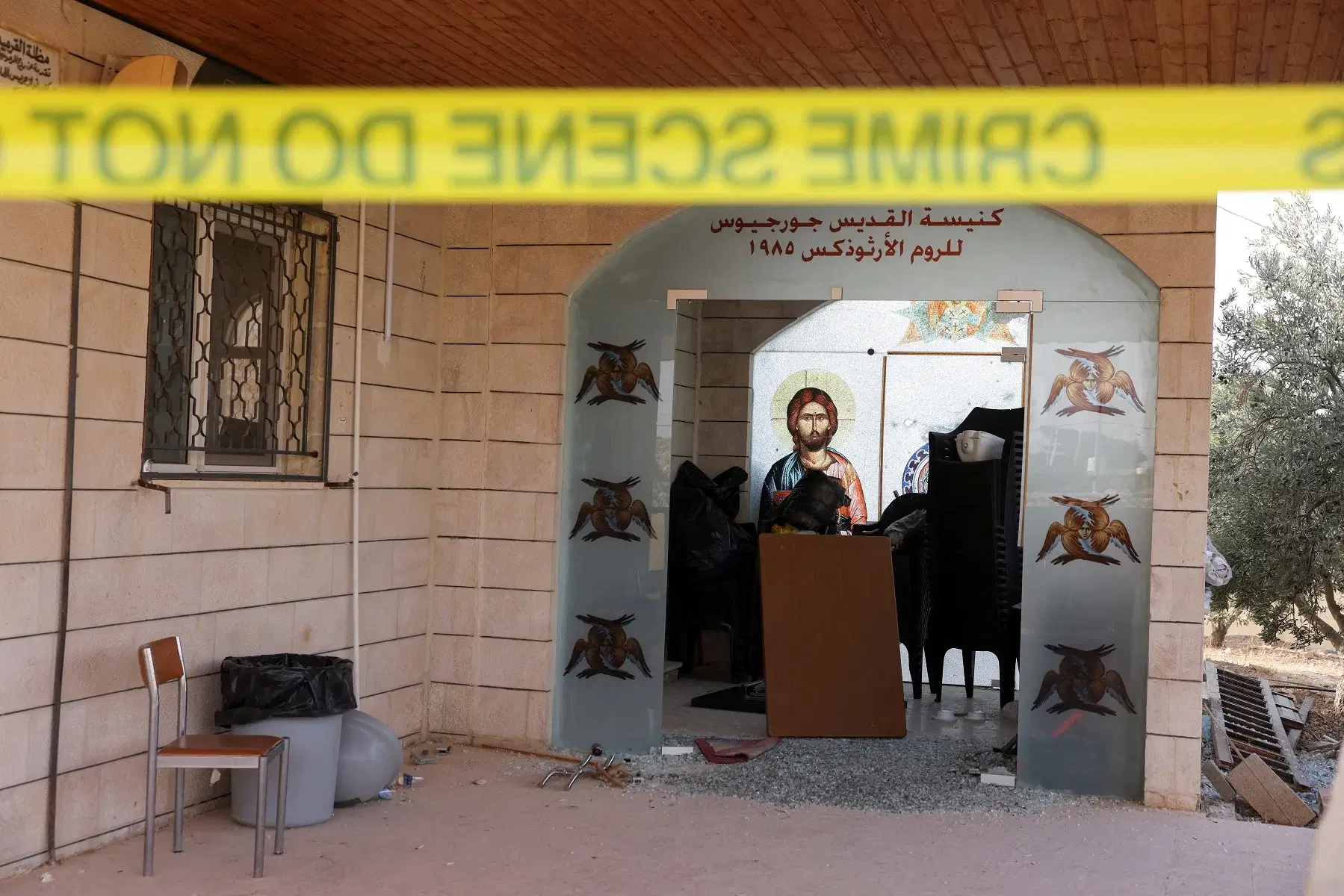
The events witnessed in Karak Governorate yesterday have brought the importance of social upbringing back to the forefront of the discussion regarding the role of education in entrenching the values of tolerance and respect for others, and promoting a culture of dialogue and coexistence within society.
While such events require deliberation in reading their causes and motives, they open the door to highlighting the role of the family and the school in building the awareness of children and students, and developing their ability to accept differences and reject intolerance and exclusion.
Sound upbringing is not limited to instilling positive values, but also contributes to building a balanced personality capable of dialogue and responsible interaction with others, which enhances social cohesion and protects its social fabric.
In this context, educator Faisal Tayeh emphasized that the sound upbringing of children and students represents a fundamental pillar in building cohesive societies, due to its role in consolidating the value system, promoting respect for human beings and their dignity, and developing the ability to deal with differences with awareness and responsibility.
Tayeh said, in an interview with "Alrai", that sound upbringing is not limited to teaching a child the correct behavior or providing them with knowledge and skills, but extends to shaping their view of themselves and others, and enhancing their ability to build positive relationships and participate in a society based on pluralism and cooperation.
He added that accepting the other should not be presented to children as a moral slogan or a passing directive, but as a value acquired through daily situations within the family, school, and social environment, pointing out that children learn respect from the behavior of adults and from the way they deal with different opinions.
He explained that a child who sees that a dissenting opinion is not met with mockery or insult, and that dialogue is a means of understanding and communication, becomes more capable of respecting others and realizing that differences in ideas, abilities, or backgrounds do not diminish a person's value or their right to respect.
Tayeh stressed the importance of the family's role as the primary environment in which a child's personality is formed, pointing out that sound upbringing requires a balance between love and firmness, and giving the child space to express their opinion, in addition to teaching them responsibility and respect for others.
He indicated that parents listening to their children, and allowing them the opportunity to ask questions and discuss ideas, contribute to building confident personalities capable of dialogue, emphasizing that a difference of opinion should not be a reason for punishment or belittling the child, but an opportunity to teach them to think and express themselves in a responsible manner.
Regarding the role of the school, Tayeh emphasized that it is a fundamental partner in entrenching the values of respect, fairness, and cooperation, as it is the environment where students meet despite their different abilities, interests, circumstances, and backgrounds, which requires providing a safe educational climate in which every student feels accepted, respected, and belonging to their school community.
He pointed out that the school's responsibility is not limited to providing academic knowledge, but includes building the student's personality and enhancing their social and human skills, through daily practices within classrooms, the way teachers deal with students, managing dialogue, and addressing bullying and exclusionary behaviors.
He emphasized that accepting the other does not mean agreeing with them in all situations or abandoning one's convictions and principles, but rather realizing that difference is a natural part of life, and that every human being has the right to express their ideas and points of view, within the limits of respecting the rights of others and not harming them.
He explained that these concepts gain special educational importance in helping children distinguish between legitimate difference and harmful behavior, and enhancing their ability to defend their opinions with argument and logic, far from intolerance and exclusion.
Tayeh pointed out that entrenching these values requires providing practical opportunities for students to practice them, through group activities, volunteer work, student councils, and other situations that promote cooperation with others, including those who differ from them in ideas or interests.
He added that values are not entrenched by guidance alone, but by practice and experience, explaining that learning to listen to others, working in a team spirit, and resolving disputes in peaceful ways provides students with skills they need in their school, social, and future lives.
In a related context, Tayeh warned against overlooking the impact of the digital environment and social media in shaping the awareness of children and students, indicating that the content they are exposed to and their patterns of interaction across digital platforms may promote a culture of respect and dialogue, or contribute to normalizing mockery, bullying, and hate speech.
He emphasized the necessity of developing digital awareness among children, introducing them to their moral responsibility for the content they publish or interact with, and entrenching the concept of respecting others in the digital space, just as in direct interaction.
He stressed that building a culture of accepting the other requires integration between the family, school, media, and community institutions, in addition to the necessity for adults to be role models in their behavior and discourse, as it is difficult to demand that children respect difference if they see practices based on contempt, intolerance, or rejection of the other.
Tayeh emphasized that sound upbringing represents a long-term investment in the human being and society, and that accepting the other is not an additional value in education, but a necessity for building a balanced personality capable of positive interaction with its surroundings, pointing out that the responsibility of the family, school, and society does not consist in raising children to be the same, but in raising them to respect difference, adhere to values, and have the ability to live and work with others with awareness and responsibility.
For his part, educator Sufian Al-Zuwairi said that the question today is no longer how we confront extremism after it happens, but how we prevent its emergence in the first place, emphasizing that the answer does not lie in security measures alone, despite their importance, but extends to the home, the classroom, and the way children are raised to view those who are different from them.
Al-Zuwairi explained, in an interview with "Alrai", that extremist thought may begin with an idea based on the belief in possessing absolute truth, and considering everyone who disagrees with it to be in the wrong, pointing out that such ideas may grow in environments that reject dialogue, criminalize questioning, and view difference as a threat.
He emphasized that sound upbringing represents the first line of defense in preventing extremism, pointing out that a child who grows up in a home where they are allowed to express their opinion, ask questions, and object politely, acquires intellectual immunity that helps them think independently and makes them more capable of discussing ideas instead of following them without scrutiny.
Al-Zuwairi indicated that sound upbringing is based on four fundamental pillars: emotional security, education through dialogue, good role modeling, and building a positive identity that takes pride in itself without despising others, explaining that these pillars contribute to enhancing the child's self-confidence and their ability to interact with their surroundings in a balanced way.
He stressed that accepting the other is not a moral luxury or a slogan raised on occasions, but a life skill, and it does not mean giving up personal convictions, but rather acknowledging the right of others to have different convictions and dealing with them with respect.
Regarding the school, he explained that a student does not learn to accept the other through a theoretical lesson on tolerance alone, but acquires it when they participate in a team that includes colleagues who are different in their interests and backgrounds, and cooperates with them to complete a project or achieve a common goal.
He pointed out that applied educational programs and group activities allow students to practice dialogue and cooperation, and help them realize that difference does not prevent joint work, and that success is linked to the ability of individuals to respect each other's roles.
In light of recent events, Al-Zuwairi emphasized the importance of promoting an upbringing based on dialogue and accepting the other, and confronting practices that fuel fear, intolerance, and exclusion, explaining that education based on respect and conscious thinking contributes to building societal immunity in the face of extremist ideas, without reducing the causes of extremism to a single factor.
He added that the battle against extremism is not decided in the security field alone, but begins from the details of daily life within the family, when the child is allowed to differ, is encouraged to present their arguments and defend their point of view, and learns that dialogue does not diminish their status, and that respecting others does not conflict with adhering to principles.
Al-Zuwairi emphasized that building a safe and cohesive society begins from the home and the school, and from raising generations that respect difference, believe in dialogue, and realize that human dignity does not depend on the extent of agreement with them, pointing out that raising children to respect others and live with them with awareness and responsibility represents a foundation for enhancing the cohesion of society and protecting it from intolerance and extremism.
For his part, sociology expert Dr. Hussein Al-Khuzai emphasized that sound upbringing plays a fundamental role in entrenching the values of accepting and respecting the other at various levels, especially respecting religious rituals and occasions, and promoting a culture of coexistence and understanding between followers of different religions.
He pointed out the importance of raising generations to respect diversity and strengthen the bonds of brotherhood and societal cohesion, which contributes to entrenching the values of love and tolerance, and enhances the immunity of society in the face of everything that would affect its security and stability or undermine its social fabric.